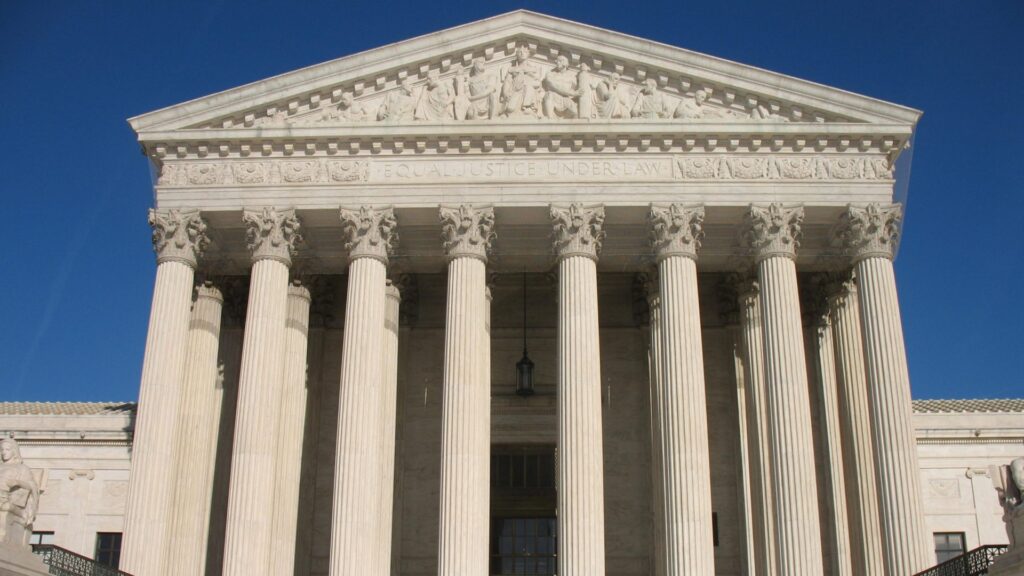
The U.S. Supreme Court held Monday that law enforcement officers conduct a Fourth Amendment search when they obtain cell phone users’ precise Location History data from Google using a geofence warrant. In a 6-3 decision in Chatrie v. United States, the Court ruled that Americans have a reasonable expectation of privacy in their cell phone location information, even when that data is stored by a third-party technology company such as Google. The ruling represents one of the Court’s most significant digital privacy decisions since its 2018 Carpenter decision involving historical cell-site location data. Justice Elena Kagan authored the majority opinion, joined by Chief Justice John Roberts and Justices Sonia Sotomayor, Brett Kavanaugh, Ketanji Brown Jackson, and Jackson separately concurring. Justice Neil Gorsuch concurred only in…
Click here to read the full article at The Gateway Pundit.